
Sourwood Honey
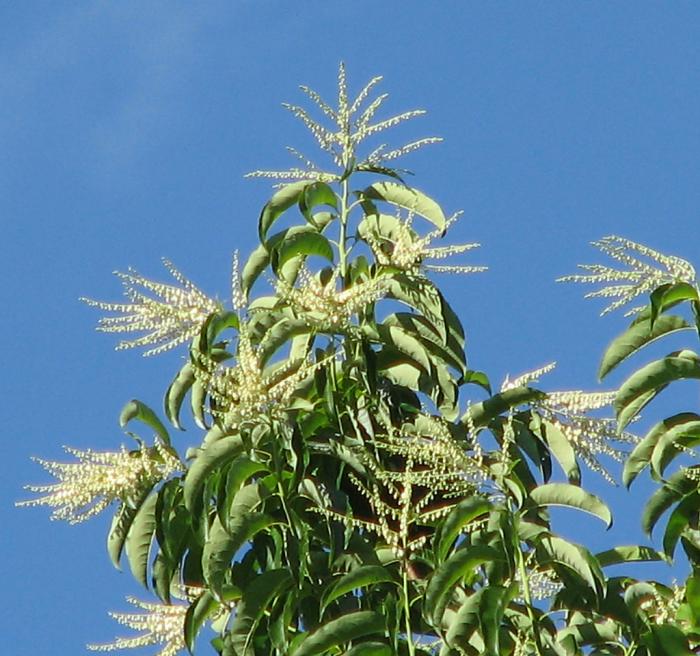
Sourwood Honey comes from the Sourwood tree (Oxydendrum arboreum) a member of the Ericaceae family, also called the Sour gum, Sorrel tree or Lily-of-the-Valley tree. This showy, USA native tree is the lone species of its genera. Growing in the upland forests of the southeastern United States, it is most abundant in the Alleghenies and the Blue Ridge mountains. As a source of nectar it is chiefly valuable in the mountainous regions of North and South Carolina and Tennessee. In summer the sourwood tree has long, drooping clusters of sweet smelling white, bell-shaped flowers, called “angel fingers” in the Appalachians, and the origin of the name Lily-of-the-Valley tree. The name sourwood comes from the sour (or sharp acidic) odor and flavor of the leaves (from oxalic acid). The name oxydendrum is Greek for “oxy” meaning sharp or acid and “dendrum” for tree. The fall brings bright scarlet crimson and orange leaves.
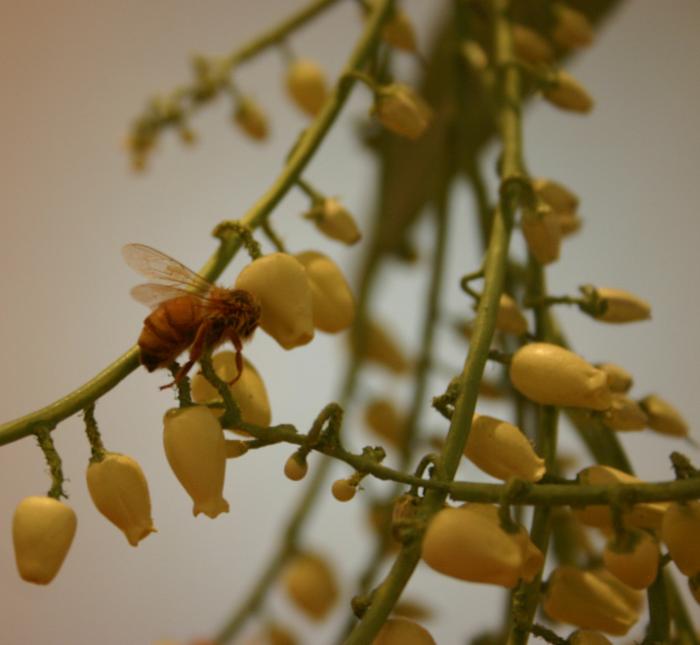
Sourwood trees bloom from mid June to late July. In North Carolina, the blossoming time is around 25 days. Under favorable conditions the nectar is so abundant, it can be shaken from the blooms in small drops. Careful beekeeping is required to avoid diluting the sourwood honey with other nectars growing before (Tulip poplar, Sumac) and after the sourwood blossoms. All sourwood honey contains some other nectars and this may affect the color but as long as the percentage is low, will not affect the flavor of this honey.
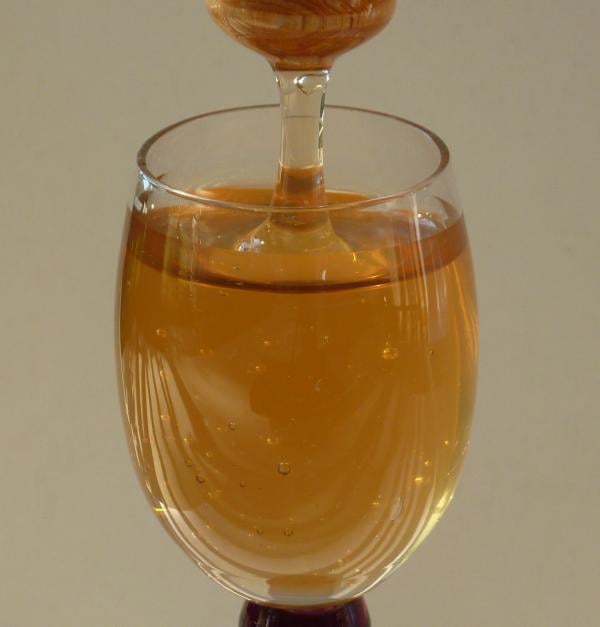
Sourwood honey is prized by connoisseurs and honey purists worldwide. It has won best honey in the world twice at the presitigious Apimondia World Honey Show. Sourwood honey is extra-light to light amber in color and crystallizes slowly. It is extremely aromatic, with a distinctive honey flavor of anise and spice. It also has a sweet aroma of anise. It has a persistent sweet and pleasant astringent aftertaste.
Often in short supply—a recent exception was 2010, a great year for Sourwood honey—nectar flow is inconsistent from year to year. It has a short blooming season and shortage of rain and lower-than-normal temperatures can affect nectar supplies and bees. Lack of habitat due to development is also affecting the amount of sourwood honey. Some help may be coming with a reclamation project in partnership with the coal mining industry of Eastern Kentucky and West Virginia focused on replanting bee plants like sourwood on thousands of surfaced-minded acres. The ideas is to develop the reclaimed land for ‘higher’ uses and beekeeping may be the answer. See Notes from Academe: In Appalachia, a Researcher Makes Honey From Coal
State Honey Standard: Like many states there has been some question of the veracity of the ‘purity’ of their honey, more so through distribution than directly from the bee farm. It has been said that more Sourwood honey has been sold than produced in North Carolina. So like a growing number of states such as Florida, California and Wisconsin, North Carolina has moved one step closer to incorporating the proposed honey standard into its rules and procedures that govern food safety. The goal is to enforce labeling laws that protect the consumer. The standard prohibits any additives or adulteration if it is to be sold as honey. The country of origin must be identified. And if the honey is marketed from a specific floral source, such as Sourwood, the honey must contain at least 51 percent nectar from that source. The first step has been taken to protect stop falsely label honey being sold at specific farmer’s markets statewide. New NC state guidelines require approved honey sellers keep records showing when and where the honey was produced and packaged, the name of the person or business that supplied the honey, and the date of receipt.
Recipe: Sourwood Honey Muffins Video By Great Smoky Mountains National Forest. Includes an interesting short segment on Sourwood Honey (https://www.thegreatsmokymountains.org/blog/sourwood-honey-muffins/).
Use honey anywhere you use sugar, but use 3/4 of a cup of honey for 1 cup of sugar since it is sweeter than sugar. Serving suggestions for sourwood honey; honey barbecue sauce (sourwood honey is often the secret ingredient), hot cornbread smothered with sourwood honey and a little butter, honey cupcakes, honey muffins, honey-covered pancakes or waffles, and honey banana-nut bread.
In the Appalachians, a drink for hot summer haymaking days was called “switchell.” It was made by mixing a half cup of honey and a half cup of cider vinegar. This was kept in a jar and four teaspoons of the mixture were added to a dipper of water for a refreshing drink.
Recognition: Ark of Taste Sourwood honey. The Ark is an international catalog of foods that are threatened by industrial standardization, the regulations of large-scale distribution and environmental damage. In an effort to cultivate consumer demand—key to agricultural conservation—only the best tasting endangered foods make it onto the Ark.
Festivals:Black Mountain, North Carolina Sourwood Festival: Early August: Almost 200 vendors of arts, crafts, specialty items, food, and more. Music and dancing in the big tent. No admission. Festival Website
Honey Origin:In the Piedmont uplands in NC and in the higher elevations of North and South Carolina, Tennessee, and North Georgia.
Translations:French: Miel sourwood, Italian: Miele sourwood, Spanish: Miel sourwood, German: Sourwood Honig, Russian: Сорвуд меда
Image Credit: Some rights reserved:Sourwood blossom image by Ryan Somma, Sourwood Tree image by beeJim828
Resources: North Carolina Beekeepers Apimondia International Beekeepers Association
See also
No related honeys added yet.