
Lavender Honey
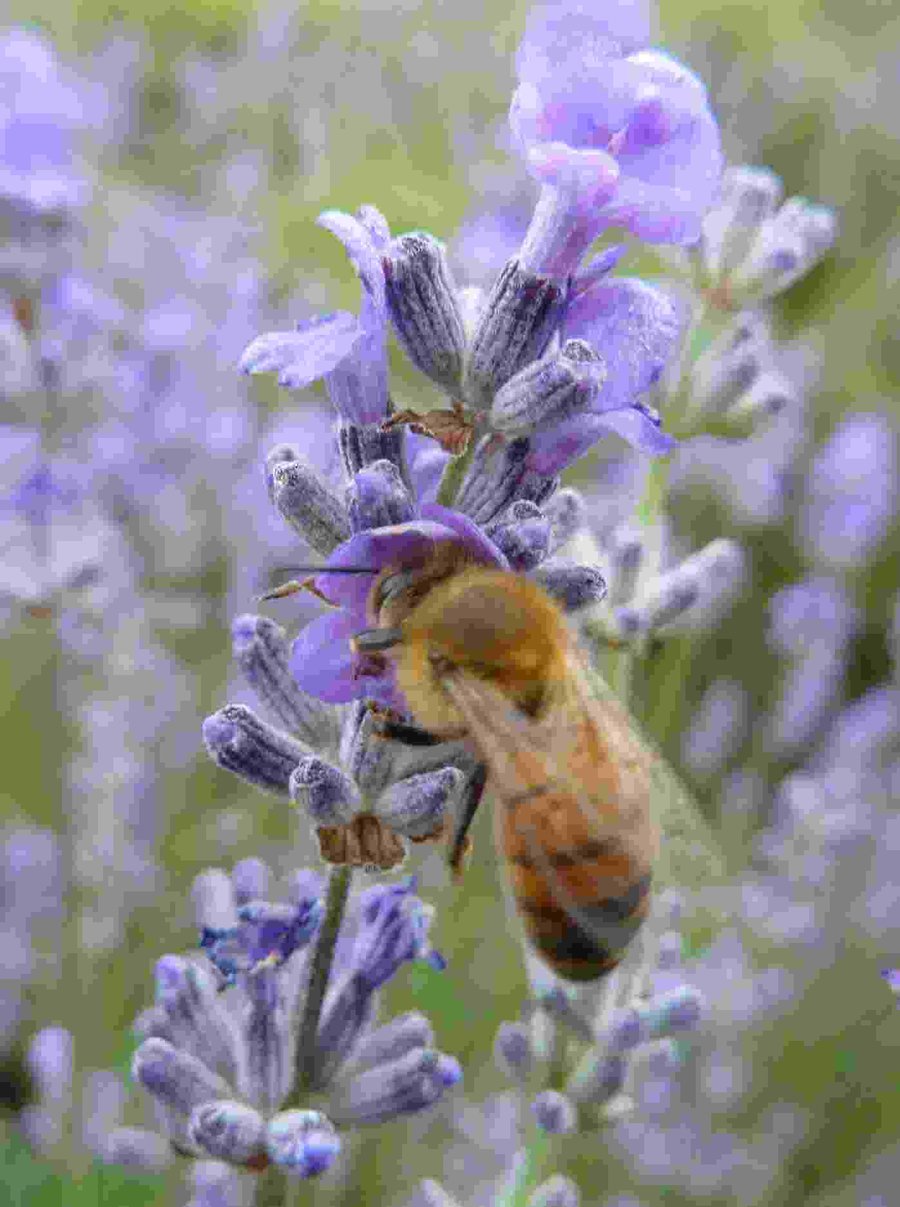
Of over 39 species of Lavender, the most popular species for commercial crops are True Lavender, Spike Lavender and Lavandin, a hybrid of these two. These are the sources of most Lavender honeys. The characteristics of the honey vary depending on the relative concentrations of each of the species, mainly evidenced by differences in aroma and camphor notes.
Lavender honey is a premium honey. Flowery, pleasant, well balanced and rounded, very fine honey aroma and the delicate floral scent with an evident Lavender component. It has a very persistent medium sweet taste that grows with the finish. In some cases it has slightly sour notes. Light white to extra light amber. If it is dark in the presence of honeydew, it may have some salty notes. An extraordinary honey. It contains weak acidity without bitterness, lingers in the mouth. Moderate crystallization, very fine.
Another species of Lavender, Spanish Lavender, is often cultivated apart and is described below.
True lavender or Common or English Lavender (Lavandula angustifolia), the most common true or non-hybrid, has a green, hay-like sweetness and gives “fruity aspects” to perfumes and other scented products. It has the lowest camphor content of all species. It has strong anti-inflammatory properties and alleviates tension-related illnesses. It is the source of essential oils providing a variety of aromatherapy properties. Source of France and Spain Lavender honeys.
Spike Lavender (Lavandula latifolia) this lavender has broad leaves and branched flower stalks, otherwise similar to English Lavender. This is the classic lavender used in sachets, perfumes, wands, etc. It has a higher camphor content than True. The aroma is camphoraceous, floral, fresh and herbaceous. Foliage is aromatic and grey-green and flowers are mauvish-blue, appearing in July and August. Source of Spain and France Lavender honeys.
Lavandin (Lavandula x intermedia), a natural hybrid of True and Spike Lavender, accounts for the majority of cultivated lavender for essential oil, with beautiful, vibrant colors, often used for herbal crafts and potpourris. The scent of its oil is woody, spicy-green, camphor—quite different from true lavender and while it has many fine properties, it is not a substitute for true lavender or its aromatherapy properties, and because of its high camphor content is not suitable for burn treatment. Source of France Lavender honeys.
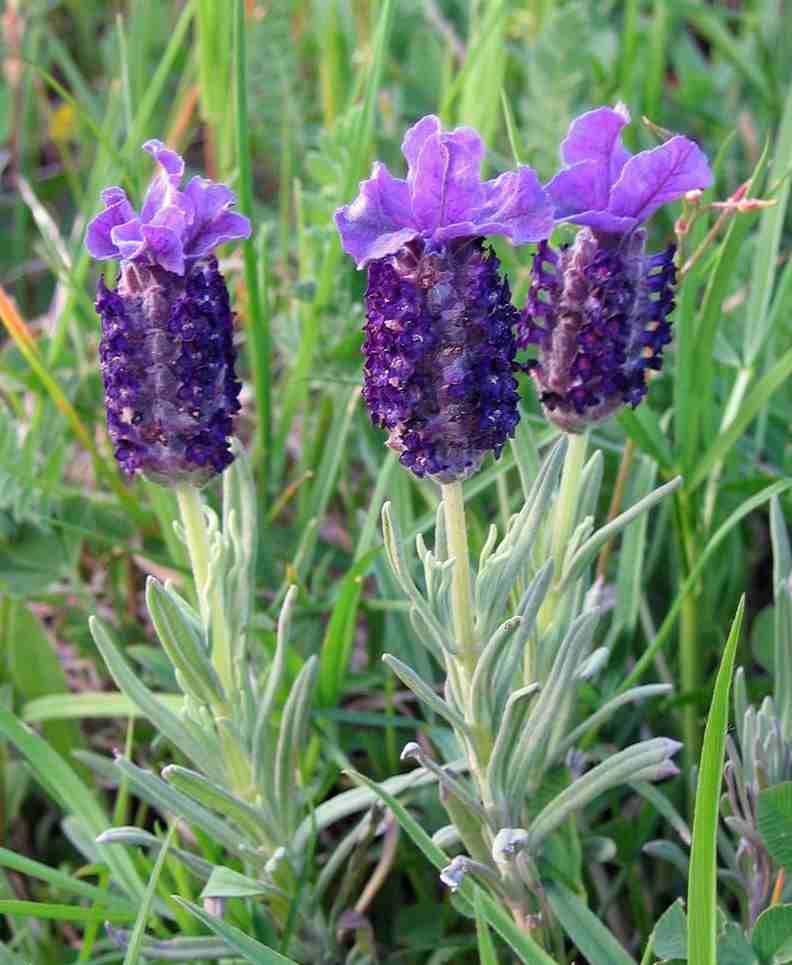
Spanish Lavender (Lavandula stoechas) is often cultivated apart from the species above. Its honey is a white to extra light amber. Faint floral aroma, less intense, a little persistent, sometimes with very slight camphor notes. Sweet taste, in some cases slightly sour notes. Slow, fine crystallization. The taste and aroma shows a hint of almond, sometimes with a smell of stale tobacco. Its smell is kind of vegetable, rather discreet. It grows wild in the Mediterranean region and is considered an invasive species in Australia. The flower differs from the other Lavenders as it is barrel shaped. Used in traditional medicine as an anticonvulsant and antispasmodic. Source of Portugal, Italy (Sardinia) and Spain Lavender honeys.
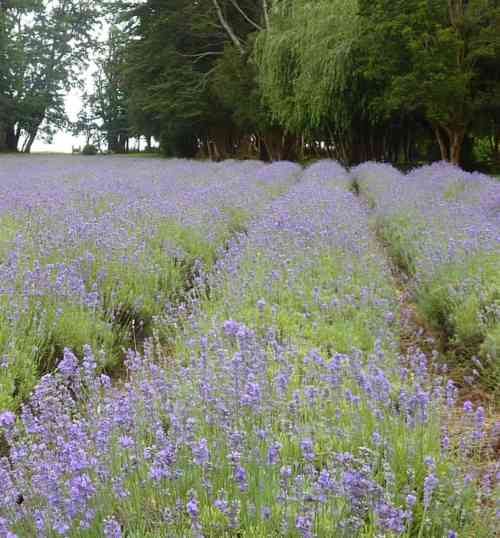
Lavender Festivals: A great excuse to get out and enjoy the countryside and the beauty of Lavender. Take a moment to watch the busy bees! Enjoy the festive atmosphere and numerous products and crafts inspired by lavender, starting with lavender honey, bouquets and essential oils, nougat, ceramics, basketry, textiles, colored lavender figurines, soaps and scented candles, lavender landscapes painted or photographed, sherbet, syrup and lavender lemonade. There are dozens of lavender festivals around the world,
See also
No related honeys added yet.